What Role Do Bears Play in the Ecosystem?
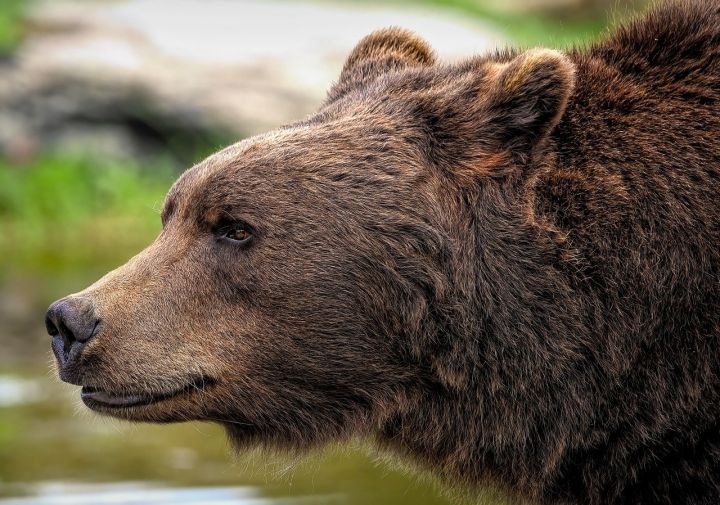
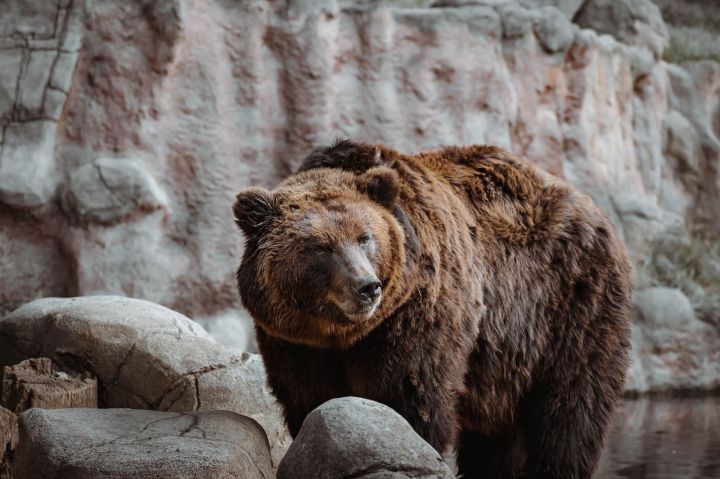
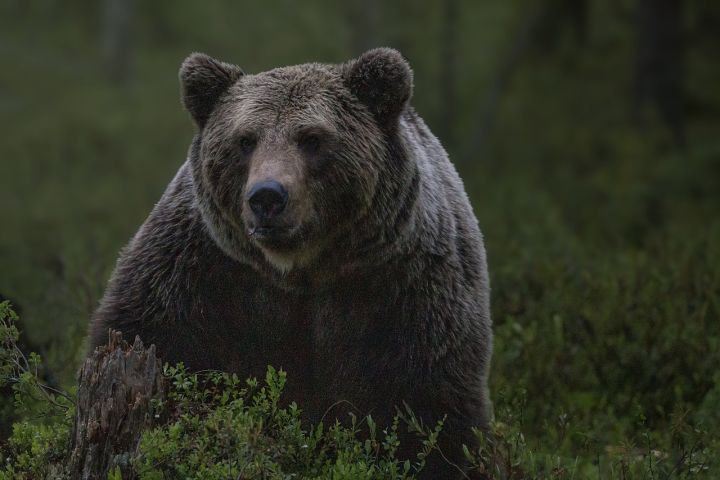
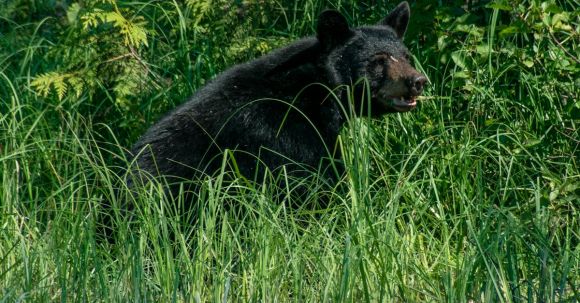
Bears are majestic creatures that have captured the imagination of people around the world. From the mighty grizzly bear to the playful polar bear, these animals have long been admired for their strength and beauty. But beyond their awe-inspiring presence, bears play a crucial role in the ecosystem. In this article, we will explore the various ways in which bears contribute to the balance of nature.
Seed Dispersal
One of the most important roles that bears play in the ecosystem is seed dispersal. When bears consume fruits and berries, they often swallow the seeds along with their meal. These seeds then pass through the bear’s digestive system and are deposited elsewhere through their scat. This process helps to spread seeds over a wide area, allowing plants to colonize new areas and maintain genetic diversity.
Regulating Herbivore Populations
Bears also help to regulate herbivore populations. As omnivores, bears have a varied diet that includes both plants and animals. This means that they compete with herbivores for resources such as grass and berries. By doing so, bears help to keep herbivore populations in check, preventing overgrazing and ensuring a healthy balance in the ecosystem.
Controlling Insect Populations
In addition to regulating herbivores, bears also play a role in controlling insect populations. Many bears enjoy feasting on ants, termites, and other insects. By consuming large quantities of these pests, bears help to keep their populations in check, preventing outbreaks that could have detrimental effects on other species and the ecosystem as a whole.
Creating Habitat
Bears are known for their impressive digging abilities. They use these skills to create dens where they hibernate during winter months. These dens not only provide shelter for the bears themselves but also create habitat for other animals. Once the bears vacate their dens in the spring, other creatures such as rodents and small mammals often take up residence in these underground chambers, benefiting from the protection they provide.
Scavenging and Decomposition
Bears are opportunistic feeders and are known to scavenge on carrion. By consuming dead animals, they help to clean up the environment and prevent the spread of disease. Additionally, when bears defecate in the wild, they contribute to the decomposition process. Their scat contains nutrients that enrich the soil, promoting the growth of plants and supporting the overall health of the ecosystem.
Maintaining Fish Populations
Many bear species have a strong affinity for fish, particularly during the salmon spawning season. Bears will catch fish and consume them, but they often leave behind scraps and uneaten portions. These leftovers provide a valuable food source for other animals, such as birds and scavengers, helping to sustain their populations. Furthermore, as bears move between different bodies of water in search of fish, they inadvertently transport fish eggs and help to disperse them, promoting the survival and growth of fish populations.
In conclusion, bears play a vital role in the ecosystem. From seed dispersal and regulating herbivore populations to controlling insects and creating habitat, their contributions are diverse and far-reaching. By understanding and appreciating the importance of bears in the natural world, we can work towards their conservation and ensure the continued balance of our ecosystems.