Are Bears Territorial Animals?
Bears have long been admired for their strength, agility, and beauty. These majestic creatures can be found in various parts of the world, from the dense forests of North America to the remote mountains of Asia. One question that often arises when discussing bears is whether or not they are territorial animals. In this article, we will delve into the fascinating world of bears and explore their territorial behavior.
Understanding Territorial Behavior
Territorial behavior is commonly observed in many animal species. It is a way for animals to establish and defend their space, resources, and potential mates. By marking their territory and displaying aggressive behavior towards intruders, animals can protect their access to food, shelter, and reproductive opportunities. But what about bears? Are they also territorial creatures?
Territorial Bears: Fact or Fiction?
When it comes to bears, the answer is not as straightforward as one might think. While some species of bears do exhibit territorial behavior to varying degrees, it is not a universal characteristic among all bear species. Let’s take a closer look at some specific bear species and their territorial tendencies.
Grizzly Bears: Masters of Their Domain
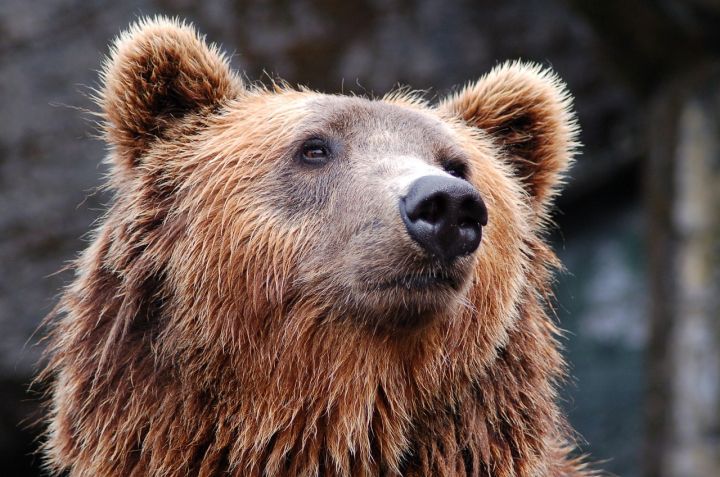
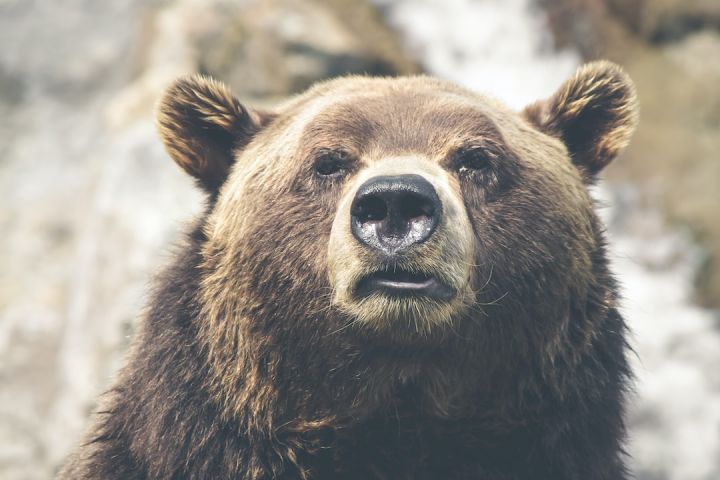
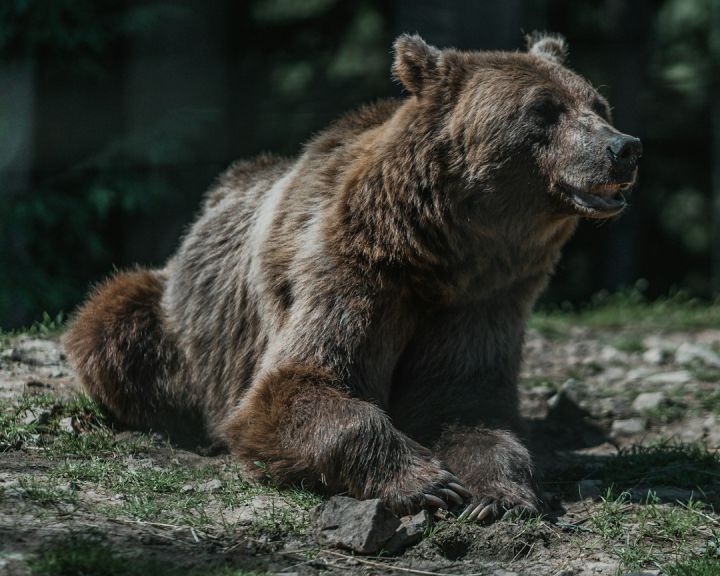
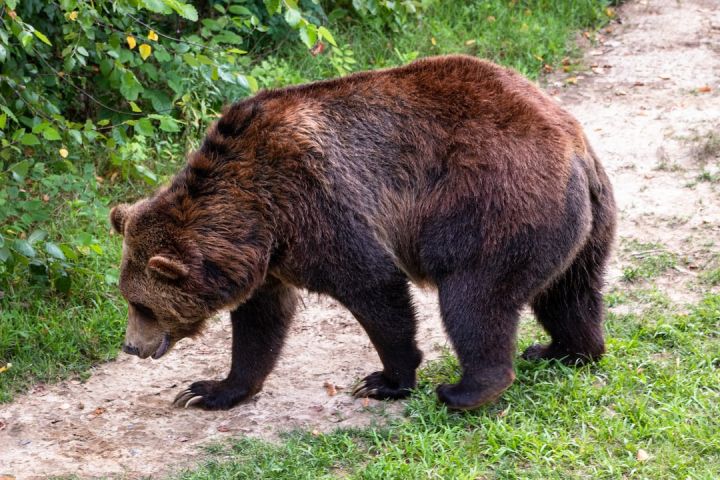
Grizzly bears, also known as brown bears, are undoubtedly one of the most territorial bear species. They are known for their vast home ranges, which can span hundreds of square miles. Grizzlies mark their territory through various means, such as scent marking, tree scratching, and vocalizations. They are highly protective of their space and will defend it aggressively against intruding bears or other potential threats.
Polar Bears: Lone Wanderers
In contrast to grizzly bears, polar bears are not known for being highly territorial. These majestic creatures inhabit the Arctic region and have vast areas of ice and open water as their natural habitat. Polar bears generally lead solitary lives and do not display aggressive territorial behavior towards other bears. However, conflicts may arise when resources, such as seal hunting grounds, become scarce.
Black Bears: More Tolerant Than You Might Think
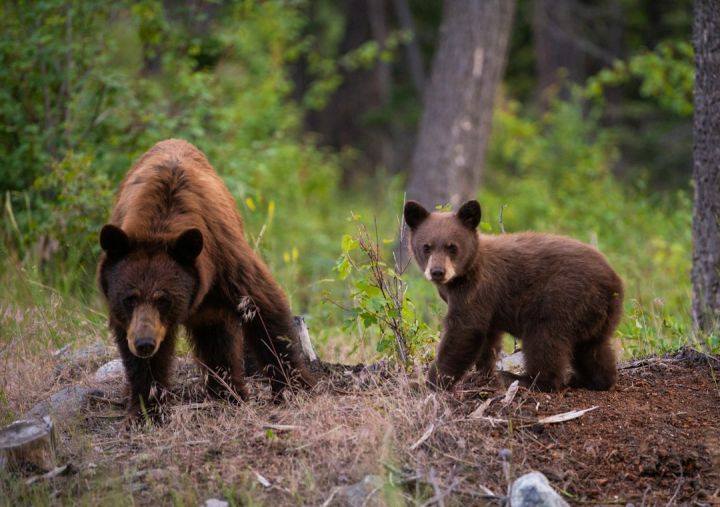
Black bears are another bear species that does not exhibit strong territorial behavior. While they may have a home range, they are generally more tolerant of other bears within their territory. Black bears are known to share food sources and even form loose social groups, especially during the mating season. However, they still display aggression when defending their cubs or during encounters with dominant bears.
Asian Black Bears: A Balance of Territory and Tolerance
Asian black bears, also known as moon bears, exhibit a mix of territorial and tolerant behavior. They are known to have overlapping home ranges, but they also engage in aggressive encounters with other bears. Asian black bears use scent marking and vocalizations to establish and defend their territories, but they may also tolerate the presence of other bears, especially during times of abundant food resources.
Conclusion: The Complex World of Bear Territories
In conclusion, while some bear species, such as grizzly bears, are highly territorial, others, like polar bears and black bears, are less so. The level of territorial behavior exhibited by bears can vary depending on factors such as species, habitat, and availability of resources. Understanding the territorial behavior of bears is crucial for conservation efforts and human-bear coexistence. By respecting their space and avoiding unnecessary confrontations, we can ensure the continued survival of these magnificent animals in their natural habitats.