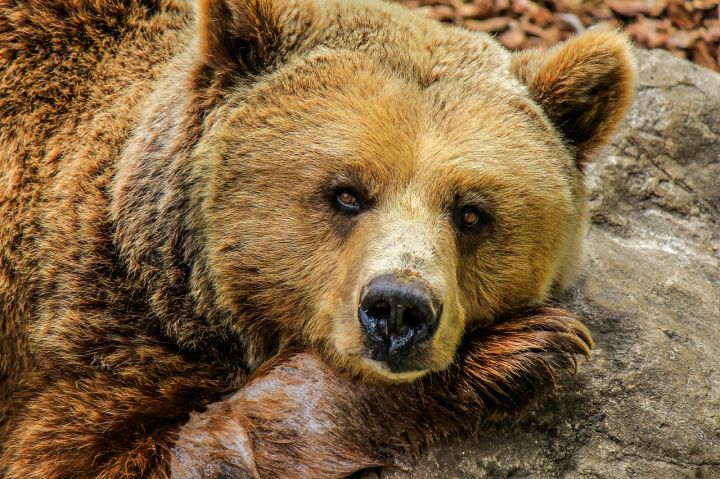
How Do Mother Bears Protect Cubs?
Bears are known for their powerful and majestic presence in the wild. Among the many fascinating aspects of bear behavior, one of the most captivating is the way mother bears protect their cubs. In this article, we will explore the various ways in which mother bears ensure the safety and well-being of their young ones.
Maternal Instincts: A Mother’s Love
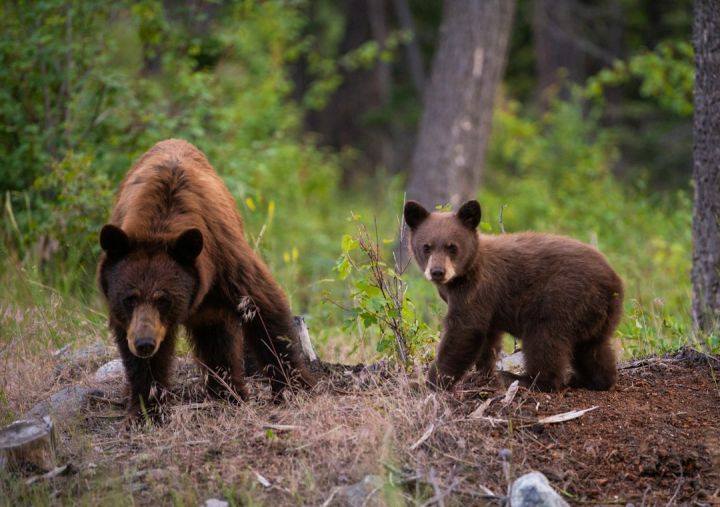
The bond between a mother bear and her cubs is incredibly strong. From the moment the cubs are born, the mother bear dedicates herself to their care and protection. This maternal instinct is vital for the survival of the cubs, as they are completely dependent on their mother for nourishment and guidance.
Creating a Safe Den
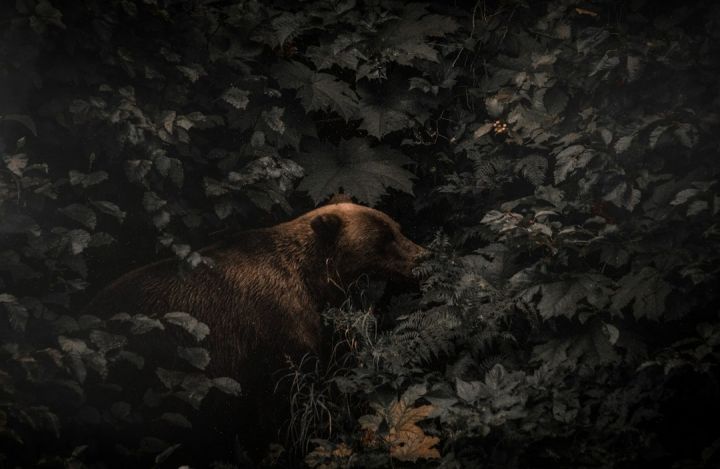
One of the first steps a mother bear takes to protect her cubs is to find a suitable den. This den provides a safe and secure environment for the cubs during their vulnerable early months. Mother bears often choose dens in secluded areas, such as caves or hollow trees, where they can shield their cubs from potential predators.
Camouflage and Concealment
Once the den is established, the mother bear uses her natural instincts to camouflage it and keep it hidden from predators. She will carefully select materials such as leaves, twigs, and brush to cover the den, ensuring that it blends seamlessly with the surrounding environment. This camouflage helps to protect the cubs from curious or aggressive animals that may pose a threat.
Fierce Defense
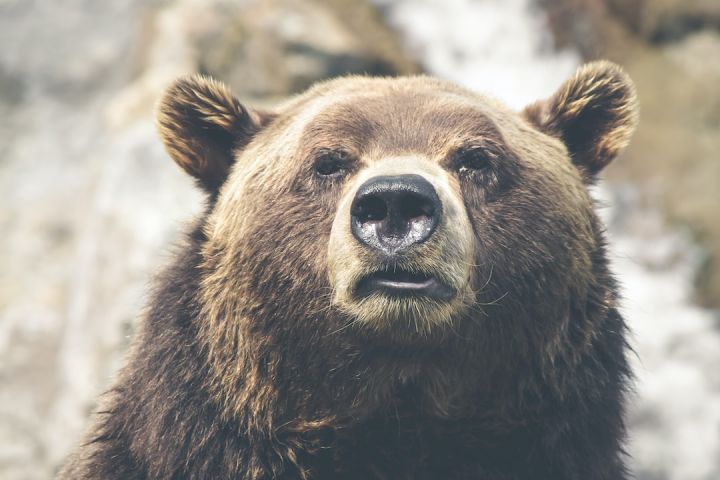
While camouflage and concealment are effective strategies, there are times when direct confrontation becomes necessary. When a potential threat approaches, the mother bear will not hesitate to defend her cubs with all her might. Her powerful claws and teeth, combined with her sheer size and strength, make her a formidable opponent. Mother bears have been known to charge, growl, or even stand on their hind legs to intimidate predators and protect their young.
Teaching Life Skills
As the cubs grow older, the mother bear plays a crucial role in teaching them essential life skills. She will guide them on how to forage for food, identify potential dangers, and navigate their surroundings. By imparting her knowledge and experience, the mother bear equips her cubs with the necessary skills to survive in the wild.
Leading by Example
In addition to teaching practical skills, the mother bear also sets an example for her cubs through her own behavior. Cubs learn by observing their mother’s actions, and she ensures that her behavior reflects what is necessary for their survival. Whether it’s avoiding dangerous situations or effectively hunting for food, the mother bear leads by example, instilling valuable lessons in her cubs.
The Enduring Bond
As the cubs mature and prepare to venture out on their own, the bond between mother and offspring remains strong. While the mother bear may no longer provide direct protection, she continues to maintain a connection with her grown cubs. This bond serves as a reminder of the enduring love and protection that the mother bear provided during their early years.
In conclusion, mother bears employ various strategies to protect their cubs, from creating safe dens and using camouflage to fierce defense and teaching important life skills. The unwavering dedication and love of a mother bear for her cubs are truly remarkable. Nature has bestowed these magnificent creatures with the means to ensure the survival of their young, painting a vivid picture of the extraordinary lengths a mother will go to protect her offspring.