Can Your Presence Affect Bear Behavior?
Bears are fascinating creatures that have captured the attention and imagination of humans for centuries. From their sheer size and strength to their elusive nature, bears have become a symbol of both fear and respect. But what if I told you that your mere presence could actually affect the behavior of these magnificent animals? It may seem unbelievable, but there is evidence to suggest that human presence can indeed have an impact on bear behavior.
The Impact of Human Presence on Bear Behavior
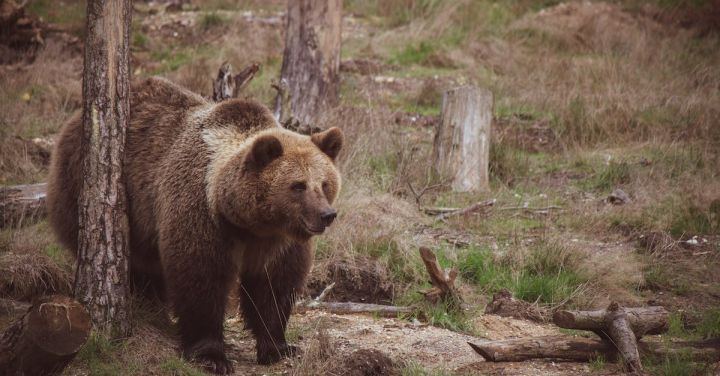
When humans enter the natural habitat of bears, it disrupts the delicate balance of their environment. Bears are naturally cautious animals, and any sudden disturbance can trigger a response. This response can vary depending on the individual bear and the circumstances, but it often involves a change in behavior. In some cases, bears may become more aggressive or defensive when humans are present, while in others, they may retreat or avoid human contact altogether.
The Role of Fear and Threat Perception
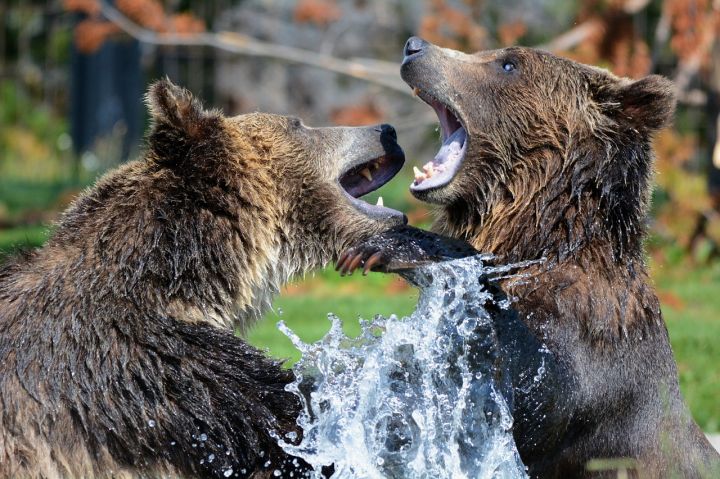
One of the key factors that influence bear behavior in the presence of humans is fear. Bears, like many other animals, have an innate fear of humans due to their predatory nature. This fear is often reinforced through negative experiences or encounters with humans. When bears perceive humans as a threat, they are more likely to exhibit defensive behaviors such as growling, charging, or bluffing. This is their way of protecting themselves and establishing boundaries.
The Importance of Human Behavior
While bear behavior is largely influenced by their own instincts and perceptions, human behavior also plays a significant role. Bears are highly intelligent animals, capable of recognizing patterns and adapting their behavior accordingly. They can learn to associate certain behaviors or actions with negative or positive outcomes. For example, if bears consistently encounter humans who pose a threat or engage in aggressive behavior, they are more likely to respond defensively. On the other hand, if humans consistently demonstrate non-threatening behavior, bears may become more tolerant and less likely to view them as a threat.
Mitigating Human-Bear Conflict
Given the potential impact of human presence on bear behavior, it is crucial to take steps to mitigate human-bear conflict. This includes educating the public about bear behavior and the importance of respecting their natural habitat. It also entails implementing measures to minimize human-bear interactions, such as properly storing food and garbage, using bear-resistant containers, and avoiding areas where bears are known to frequent.
Conclusion: Coexisting with Bears
In conclusion, the presence of humans can indeed affect bear behavior. Bears are intelligent creatures that respond to their environment and the behavior of those around them. By understanding and respecting their natural instincts and habitat, we can minimize conflicts and coexist peacefully with these majestic animals. It is our responsibility to ensure that our actions do not disrupt the delicate balance of their ecosystem. So the next time you find yourself in bear country, remember to be mindful of your presence and the impact it may have on these incredible creatures.