Are Food Lockers Provided in All Bear Populated Parks?
When planning a trip to a bear populated park, it is important to consider the safety measures in place to protect both visitors and wildlife. One common concern is the availability of food lockers in these parks. Food lockers, also known as bear-proof containers, are designed to store food and other scented items in a way that is inaccessible to bears. In this article, we will explore whether food lockers are provided in all bear populated parks.
The Importance of Food Lockers
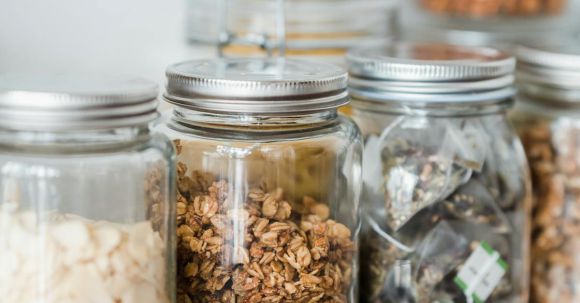
Before we delve into the availability of food lockers, let’s first understand why they are important. Bears have an exceptional sense of smell, which can lead them to human food sources. When bears become accustomed to finding food in areas frequented by humans, it can lead to dangerous encounters. This behavior, known as food conditioning, can put both bears and humans at risk. By providing food lockers, parks aim to prevent bears from accessing human food, thereby reducing the likelihood of negative interactions.
Food Lockers in National Parks
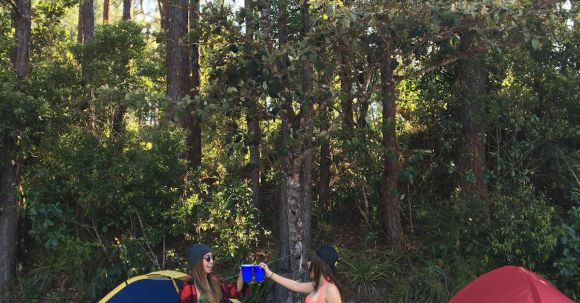
National parks are known for their efforts in preserving wildlife and maintaining a balance between visitors and animals. Many national parks that are home to bear populations have implemented food locker systems to ensure the safety of both visitors and bears. These lockers are typically located in campgrounds, picnic areas, and backcountry camping sites.
For example, Yellowstone National Park, which is home to both grizzly and black bears, has a comprehensive food storage requirement. Visitors are required to store all food and scented items in bear-resistant containers or lockers. These lockers are conveniently located throughout the park, making it easy for visitors to comply with the regulations.
Food Lockers in State Parks
While national parks generally have strict regulations in place, the availability of food lockers in state parks can vary. Some state parks that are home to bear populations may provide food lockers, while others may not have such facilities. It is important for visitors to research the specific regulations of the state park they plan to visit.
For instance, in California’s Yosemite National Park, food lockers are provided in all campgrounds and several picnic areas. The park emphasizes the importance of using the lockers to prevent bears from becoming habituated to human food.
However, not all state parks have the same level of regulations and infrastructure. Some may rely on bear-resistant trash cans instead of food lockers, while others may have no specific provisions for food storage. It is crucial for visitors to check the regulations and guidelines of the specific state park they plan to visit.
Conclusion: Ensuring Safety for Bears and Visitors
In conclusion, the availability of food lockers in bear populated parks varies depending on the park’s management and regulations. National parks, with their focus on wildlife preservation, often have comprehensive food storage requirements and provide food lockers in areas frequented by visitors. However, the availability of food lockers in state parks can be inconsistent, with some parks having them and others relying on alternative measures.
Regardless of whether food lockers are provided, it is essential for visitors to follow the recommended food storage guidelines. By properly storing food and scented items, visitors can help reduce the risk of bear encounters and ensure the safety of both bears and themselves. Remember to always research and comply with the specific regulations of the park you plan to visit, and enjoy your experience while respecting the wildlife that calls these parks home.