Are There Environment-friendly Food Storage Options?
In today’s world, where sustainability and environmental consciousness are becoming increasingly important, it is crucial to consider the impact of our everyday choices on the planet. One area where we can make a difference is in our food storage options. From plastic containers to disposable bags, many traditional food storage methods contribute to pollution and waste. However, there are several environment-friendly alternatives available that can help us reduce our carbon footprint. In this article, we will explore some of these options and how they can benefit both the environment and our health.
Glass Containers: A Sustainable Choice
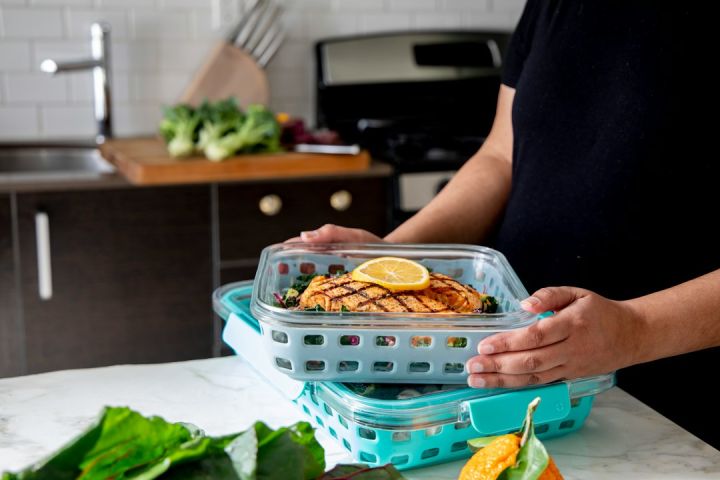
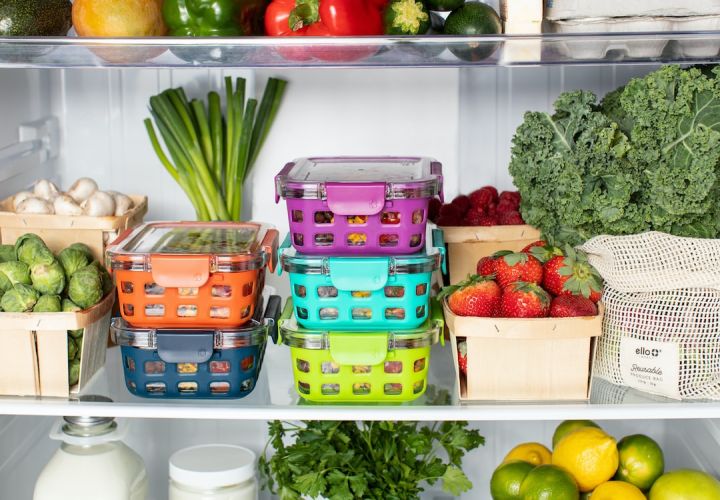
Glass containers have been around for centuries and are making a comeback in the modern world. Unlike plastic containers, which can leach harmful chemicals into our food, glass containers are a safe and sustainable option. They are non-toxic, reusable, and can be easily cleaned in a dishwasher. Glass containers also offer the advantage of being microwave and oven-safe, allowing for easy reheating and cooking. By choosing glass containers for our food storage needs, we can significantly reduce our reliance on single-use plastics and contribute to a healthier environment.
Beeswax Wraps: A Natural Alternative
Another environment-friendly food storage option gaining popularity is beeswax wraps. Made from organic cotton infused with beeswax, these wraps are a natural alternative to plastic cling film. Beeswax wraps are reusable, biodegradable, and compostable, making them an excellent choice for those looking to reduce waste. They can be used to wrap sandwiches, fruits, vegetables, and cover bowls or plates. With proper care, beeswax wraps can last up to a year, providing a sustainable and eco-friendly solution for food storage.
Silicone Bags: A Versatile Solution
Silicone bags are a relatively new addition to the world of food storage, but they are quickly becoming a favorite among eco-conscious individuals. These bags are made from food-grade silicone, a non-toxic material that is resistant to high and low temperatures. Silicone bags are durable, leak-proof, and can be used for storing both solid and liquid foods. They are also dishwasher-safe and can be reused countless times, making them a long-lasting and sustainable option. By opting for silicone bags, we can reduce our reliance on disposable plastic bags and contribute to a cleaner environment.
Mason Jars: An Old-fashioned Charm
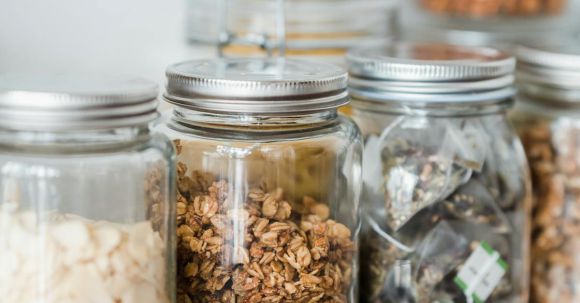
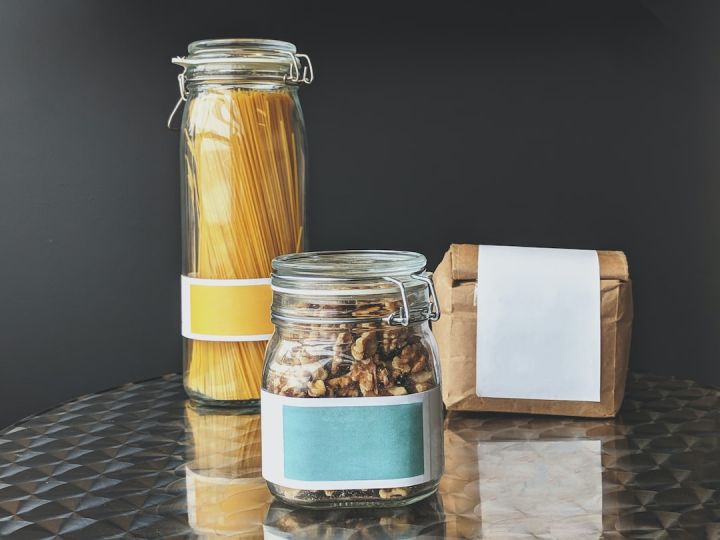
Mason jars have been used for preserving food for generations, and they continue to be a popular choice among those seeking an environment-friendly food storage option. These glass jars are not only aesthetically pleasing but also practical and versatile. Mason jars can be used for storing a wide variety of foods, including jams, pickles, sauces, and leftovers. They are reusable, easy to clean, and can be stored in the refrigerator or pantry. By using mason jars, we can reduce our dependence on single-use containers and embrace a more sustainable lifestyle.
Conclusion: Making a Positive Change
When it comes to food storage, we have the power to make choices that benefit both our health and the environment. By opting for environment-friendly options such as glass containers, beeswax wraps, silicone bags, and mason jars, we can significantly reduce our carbon footprint and contribute to a more sustainable future. These alternatives not only help us reduce waste but also eliminate the harmful effects of plastic on our health and the planet. So, let us make a positive change today and embrace environment-friendly food storage options.